
Understanding Montessori Toys and Their Impact on Early Learning
Montessori toys, renowned for their educational value, have revolutionized early childhood learning by promoting independence, creativity, and critical thinking. These toys are thoughtfully designed to align with the Montessori educational philosophy, which emphasizes hands-on, self-directed learning. The philosophy posits that children learn best when they are engaged in activities that interest them, allowing them to explore and discover at their own pace. This approach not only fosters a lifelong love for learning but also enhances cognitive and motor skills development.
One of the core principles of Montessori toys is their ability to grow with the child, adapting to different stages of development. Unlike conventional toys that may offer limited engagement, Montessori toys often present multiple layers of learning, supporting progressive exploration. For instance, a simple wooden puzzle may initially help a child develop fine motor skills. As they grow, it can further challenge their problem-solving abilities and spatial awareness.
Moreover, these toys are crafted from natural materials, promoting sensory exploration through tactile experiences. This sensory engagement is crucial in helping young children understand their environment and develop essential skills such as hand-eye coordination and concentration.
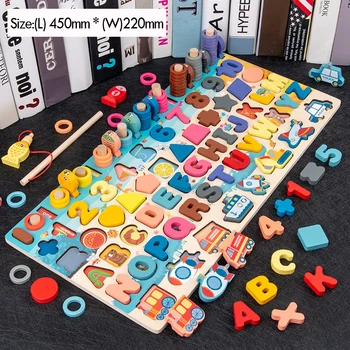
Incorporating Montessori toys, such as fishing puzzles, into early learning environments not only supports cognitive development but also nurtures emotional growth by allowing children the freedom to make choices and learn from their outcomes. By providing a balance of structure and independence, Montessori toys empower children to become confident learners, ready to tackle new challenges with enthusiasm.
Interested in incorporating Montessori principles into your child’s playtime? Discover our range of carefully curated Montessori toys designed to enhance early learning and foster a love for discovery.
Identifying Key Challenges in Early Childhood Education
Early childhood education is a critical stage in a child’s development, laying the foundation for lifelong learning, behavior, and health. Despite its importance, this phase is fraught with numerous challenges that educators and parents need to navigate to ensure children receive optimal learning experiences. Understanding these hurdles is essential for devising effective strategies that foster a nurturing and stimulating environment for young learners.
Limited Access to Quality Resources
One of the foremost challenges is the disparity in access to quality educational resources. Many regions lack adequately equipped learning centers, which restricts children’s opportunities to engage in enriching educational activities. This gap often results from economic constraints, making it imperative for policy-makers and educational stakeholders to prioritize investments in early childhood infrastructure and resources.
Balancing Play and Academics
The debate over the right balance between play and academics in early childhood education is ongoing. While play is a natural and crucial part of learning at this stage, there is pressure to introduce academic skills earlier. Educators must find a harmonious blend that incorporates play-based learning with foundational academic skills to ensure children develop holistically.
Diverse Learning Needs
Each child is unique, with individual learning speeds and styles. Catering to this diversity within a standardized educational framework can be challenging. Teachers need to employ differentiated instruction methods tailored to meet the varied needs of their students, ensuring each child can thrive in their learning journey.
By addressing these challenges with informed strategies, stakeholders in early childhood education can create an inclusive and effective learning environment. For more insights into enhancing early learning, explore our resources on Montessori tools and methods.
How Montessori Fishing Puzzle Toys Enhance Problem-Solving Skills
In the world of early childhood education, Montessori methods are renowned for their emphasis on hands-on, self-directed learning. One of the innovative tools employed in this educational approach is the Montessori fishing puzzle toy. Designed to be both engaging and educational, these toys provide young children with a unique opportunity to develop problem-solving skills in a fun and interactive way.
At the heart of the Montessori philosophy is the belief that children learn best through exploration and play. The fishing puzzle toys offer precisely that by encouraging children to use their critical thinking and fine motor skills. As children attempt to ‘catch’ the pieces of the puzzle using a magnetic fishing rod, they are actually engaging in a complex process of trial and error. This activity challenges them to identify patterns, develop strategies, and make decisions, all of which are crucial components of problem-solving.
The Mechanics of Learning Through Play
By manipulating the fishing rod and the puzzle pieces, children enhance their hand-eye coordination and spatial awareness. These skills are foundational for more advanced learning in subjects like mathematics and science. The direct interaction with the puzzle pieces also encourages perseverance. Each attempt to catch a piece requires concentration and patience, fostering an understanding of cause and effect as children learn which techniques are more successful than others.
Moreover, the Montessori fishing puzzle toys serve as a powerful tool for building confidence. As children successfully solve the puzzle, they experience a sense of accomplishment that motivates further learning and exploration. This self-esteem boost is invaluable, as it encourages a positive attitude towards challenges and learning in general.
Incorporating Montessori fishing puzzle toys into early education not only supports cognitive development but also aligns seamlessly with the Montessori goal of nurturing independent, curious learners. These toys are more than just playthings; they are gateways to a world of problem-solving and critical thinking that will benefit children far beyond their early years.
Ready to explore the benefits of Montessori-inspired toys? Discover more about our educational products and how they can enhance your child’s learning experience. Contact us to learn more!
Addressing Common Misconceptions About Montessori Learning
Montessori education has long been shrouded in myths and misunderstandings that cloud its true essence and benefits. For parents delving into early learning options, these misconceptions can be a barrier, preventing them from embracing this innovative approach that emphasizes independence, hands-on learning, and curiosity-driven exploration. Let’s unravel some of these misconceptions and illuminate the true nature of Montessori education, especially in the context of early learning tools like Montessori fishing puzzles.
Misconception 1: Montessori Is Just Play
One prevalent belief is that Montessori education is synonymous with playtime. While Montessori methods do incorporate play, they are intentionally designed to foster critical thinking and problem-solving skills. Tools such as Montessori fishing puzzles are carefully crafted to engage children in meaningful activities that enhance motor skills and cognitive development, blending education seamlessly with entertainment.
Misconception 2: Lack of Structure
Another misconception is the perceived lack of structure within Montessori classrooms. Contrary to this belief, Montessori education employs a meticulously organized environment where children have the freedom to choose activities within a structured framework that promotes discipline and self-guidance. For instance, Montessori fishing puzzles provide structured yet flexible learning experiences that encourage children to explore and learn at their own pace.
Misconception 3: Montessori Is Only For Preschoolers
Many assume Montessori is only suitable for preschool-aged children. However, the principles of Montessori education extend beyond early childhood, adaptable to various age groups and learning stages. Early learning tools, like the fishing puzzles, are just one of many resources that can be tailored to suit different developmental stages, offering sustained educational value.
By debunking these misconceptions, we open doors to a world of educational possibilities that Montessori learning offers. Embracing Montessori tools like fishing puzzles is not just about play; it’s about laying a foundation for lifelong learning. If you’re curious to explore more about how Montessori education can benefit your child, consider reaching out for a free consultation or explore our range of Montessori tools online.
The Unique Features of Montessori Fishing Puzzle Toys
Montessori fishing puzzle toys have captured the attention of educators and parents alike due to their exceptional ability to nurture early learning. These toys are meticulously designed to harmonize play with education, fostering cognitive development, fine motor skills, and problem-solving abilities in children. Unlike typical puzzle toys, Montessori fishing puzzles stand out due to their multi-sensory engagement, inviting children to explore through touch, sight, and even sound.
Focus on Fine Motor Skills
At the heart of Montessori fishing puzzles is the emphasis on refining fine motor skills, crucial for a child’s development. As children grasp the fishing rod and aim to catch the puzzle pieces, they enhance their hand-eye coordination and dexterity. This process not only entertains but also prepares them for future tasks like writing or using utensils.
Encouraging Problem Solving
These toys are also excellent tools for promoting problem-solving skills. Children are tasked with figuring out how to maneuver the fishing rod to capture pieces, which stimulates their thinking and decision-making abilities. This element of challenge is crucial as it encourages persistence and patience—skills that are invaluable throughout life.
Multi-Sensory Learning Experience
The incorporation of various textures and colors in Montessori fishing puzzles provides a rich sensory experience. Children are naturally curious, and these puzzles cater to that curiosity by offering diverse stimuli that engage different senses simultaneously. This sensory engagement is a cornerstone of the Montessori method, which advocates for learning through experience and interaction with the environment.
The unique features of Montessori fishing puzzle toys make them an indispensable tool in early childhood education. By combining fun with learning, these toys support a child’s holistic development, making early learning an enriching and engaging experience. Ready to explore more educational toys? Discover our full range of Montessori-inspired products [link].
Why Montessori Fishing Puzzle Toys Are Ideal for Hands-On Learning
Montessori fishing puzzle toys represent a remarkable blend of play and education, making them an ideal choice for hands-on learning. These toys are thoughtfully designed, aligning with Montessori principles that emphasize self-directed activity, hands-on learning, and collaborative play. They provide a multifaceted learning experience that is both engaging and developmentally beneficial for children.
One of the key benefits of Montessori fishing puzzles is their ability to enhance fine motor skills. As children maneuver the fishing rod to catch the magnetic fish, they refine their hand-eye coordination and dexterity. This careful manipulation of the fishing rod mirrors the delicate movements required in writing and other precise tasks, thereby laying a strong foundation for future academic and practical skills.
Moreover, these toys encourage cognitive development through problem-solving and critical thinking. Each puzzle presents a challenge that requires children to strategize and experiment, fostering a sense of perseverance and accomplishment. The open-ended nature of the activity allows children to explore different outcomes, nurturing creativity and independent thinking.
Montessori fishing puzzles also promote emotional and social development. By engaging in this activity, children learn patience and turn-taking, essential skills for successful interactions with peers. This aligns with the Montessori emphasis on social learning within a community-focused environment.
Incorporating Montessori fishing puzzles into a child’s playtime not only supports their developmental milestones but also aligns with the broader educational goals of fostering independent, confident learners. These toys are not just about catching fish; they are about catching opportunities for growth.
Incorporating Montessori Fishing Puzzles into Daily Playtime
Integrating Montessori fishing puzzles into your child’s daily playtime can be a transformative experience, offering numerous educational benefits. These puzzles are not just toys; they are carefully crafted tools that support cognitive development and fine motor skills. The Montessori method emphasizes learning through play and exploration, and fishing puzzles are an excellent representation of this philosophy.
One of the key advantages of Montessori fishing puzzles is their ability to enhance hand-eye coordination. As children use a magnetic fishing rod to “catch” fish pieces, they develop precision and control, fundamental skills that are transferable to other learning areas. This activity also promotes problem-solving abilities, as children figure out how to navigate the fishing rod to latch onto the fish. Moreover, the tactile experience of handling the puzzle pieces aids in sensory development, making playtime both fun and educational.
Additionally, these puzzles are excellent tools for introducing young minds to concepts of patience and concentration. The act of patiently maneuvering the fishing rod requires focus, encouraging children to develop their attention span. It’s not just about catching the fish; it’s about engaging deeply with the task at hand, which fosters a sense of achievement and builds confidence in their abilities.
To maximize the benefits of Montessori fishing puzzles, consider setting aside a dedicated playtime each day. This routine not only reinforces learning but also creates a sense of structure in a child’s day. As they repeatedly interact with the puzzles, children will naturally progress in their skills and understanding, setting a strong foundation for future educational pursuits.
Ready to enhance your child’s learning experience? Explore our full range of Montessori-inspired toys and find the perfect fit for your little one’s developmental journey.


0 Comments