
Understanding the Importance of Toys in Child Development
When we think of toys, the initial image that springs to mind is often one of simple play and entertainment. However, toys hold a much deeper significance in the realm of child development. They are not just tools for amusement but pivotal instruments that bolster a child’s emotional, cognitive, and social growth. In fact, the right toys can become a cornerstone in nurturing a child’s happiness and emotional well-being.
Firstly, toys serve as a medium through which children explore the world around them. They allow for experimentation, fostering creativity and imagination. For instance, building blocks are more than just colorful pieces; they are a gateway to understanding spatial relationships and developing problem-solving skills. Similarly, a toy kitchen set can ignite a child’s imagination, prompting role play, which is crucial for developing empathy and communication skills.
Moreover, the emotional benefits of toys are profound. They provide comfort and a sense of security, especially during times of change or stress. A cherished stuffed animal can offer a sense of companionship and emotional support to a young child, acting as a confidant in moments of solitude.
Socially, toys are instrumental in teaching children how to interact with others. They learn the importance of sharing, cooperation, and teamwork through games and group play. This social interaction is essential in building friendships and enhancing interpersonal skills that will benefit them throughout their lives.
In conclusion, toys are far more than mere playthings. They are vital to a child’s holistic development, supporting their emotional and social well-being. As we delve deeper into the nuances of toys and their impact on children, it becomes evident that selecting the right toys is essential for fostering a nurturing environment conducive to growth and happiness. To explore more about the best types of toys suited for different stages of child development, check out our curated collection today.
How Playtime with Toys Enhances Children Happiness
Playtime is more than just fun and games for children; it’s a critical component of their emotional and psychological development. Toys play a pivotal role in this process, acting as tools that facilitate joy, creativity, and learning. As children engage with toys, they immerse themselves in worlds of imagination where anything is possible, allowing them to explore emotions and scenarios in a safe environment. This imaginative play is vital for boosting their happiness and emotional well-being.
Through play, children learn to process their emotions and interact with the world around them. For instance, a simple toy truck can transform into an adventure vehicle, taking them on journeys that expand their creativity and problem-solving skills. Dolls and action figures often become companions in storytelling, helping children express feelings that they might not yet have the words for, fostering both emotional intelligence and resilience.
Furthermore, playtime with toys provides children with opportunities to develop social skills. When children play together, they learn the nuances of sharing, cooperation, and empathy. These interactions are crucial for building relationships and understanding social dynamics, contributing to a child’s overall happiness and emotional health.
Therefore, by choosing toys that encourage open-ended play, parents and caregivers can significantly enhance their children’s happiness. This investment in playtime is not merely about keeping children occupied; it’s about nurturing a foundation for a joyful and emotionally balanced life. Want to learn more about how our carefully curated selection of toys can enhance your child’s playtime experience? Explore our full product line [link].
Key Features of Toys that Promote Emotional Well-being in Kids
Toys are more than just fun; they are instrumental in promoting emotional well-being in children. Understanding the key features of toys that nurture emotional health can help parents make informed choices, ensuring that playtime is both enjoyable and beneficial.
Encouraging Creativity and Imagination
Toys that inspire creativity and imagination are vital for emotional development. Building blocks, art supplies, and dolls that encourage role-playing allow children to express themselves freely, explore different scenarios, and develop problem-solving skills. This not only builds confidence but also helps them process emotions and experiences in a safe, imaginative environment.
Promoting Social Interaction
Interactive toys that require sharing or communication, such as board games or team-building kits, foster social skills. These toys help children learn the value of cooperation, empathy, and negotiation, which are essential for emotional intelligence. Through play, kids can better understand relationships and develop the interpersonal skills needed to navigate social dynamics effectively.
Stress Relief and Comfort
Toys like soft plushies or stress balls provide comfort and can serve as tools for stress relief. These toys offer a sense of security and can be particularly comforting during times of change or uncertainty. The tactile engagement can help soothe anxiety, providing a calming effect that supports emotional regulation.
By selecting toys that incorporate these key features, parents can significantly contribute to their children’s emotional well-being. Ready to enhance your child’s playtime? Explore our full range of emotionally enriching toys [link].
Practical Tips for Choosing Toys that Foster Happy Kids
Choosing the right toys for children is not merely about providing entertainment; it’s about enriching their lives in ways that nurture happiness and emotional well-being. This task, while rewarding, can be daunting with the plethora of options available. Here are some practical tips to guide you in selecting toys that truly make a difference.
1. Prioritize Safety and Durability
The first step in choosing toys is to ensure they are safe and durable. Look for toys made from non-toxic materials, with no small parts that could pose a choking hazard. Durability is equally important, as well-constructed toys withstand rough play, ensuring they last longer and provide ongoing joy.
2. Encourage Creativity and Imagination
Toys that foster creativity and imagination are invaluable. Consider options like building blocks, art supplies, or dress-up costumes. These toys encourage children to think outside the box, create new worlds, and engage in imaginative play, which is crucial for their cognitive development and emotional growth.
3. Select Age-Appropriate Options
It’s essential to choose toys that match the child’s developmental stage. Age-appropriate toys not only ensure safety but also challenge the child’s abilities, enhancing their skills and boosting confidence. Check the manufacturer’s age recommendations as a helpful guide.
4. Opt for Educational Value
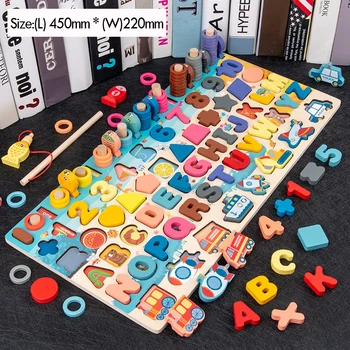
Consider toys that offer educational value. Puzzles, science kits, and books are excellent choices that make learning fun. These toys stimulate curiosity, promote problem-solving skills, and provide a sense of achievement, contributing to a child’s happiness and well-being.
5. Encourage Social Interaction
Toys that promote social interaction, such as board games or collaborative building sets, are perfect for enhancing a child’s social skills. They teach sharing, cooperation, and teamwork, all of which are fundamental for a child’s emotional well-being.
By following these tips, not only will you be fostering a child’s happiness and emotional health, but you will also be contributing to their developmental milestones. Remember, the right toy can do more than entertain—it can inspire, educate, and nurture a child’s growth in profound ways.
Exploring the Connection Between Positive Parenting and Kids Joy Through Toys
The bond between positive parenting and the happiness of children is beautifully illustrated through the world of toys. Toys, in their seemingly simple existence, are powerful tools that contribute to a child’s emotional well-being and joy. They serve as conduits of connection, imagination, and learning, which are pivotal in nurturing a joyful and fulfilling childhood.
Understanding Positive Parenting
Positive parenting encompasses nurturing, responsive, and supportive parenting practices that foster a secure and loving environment for children. By prioritizing understanding, empathy, and encouragement, positive parenting cultivates an atmosphere where children feel safe to explore, learn, and grow. Toys, in this context, become essential instruments that parents can use to reinforce these nurturing practices.
The Role of Toys in Emotional Development
Toys are more than just playthings; they are vital in helping children express themselves and manage their emotions. Through imaginative play, children can navigate their feelings and experiences, which enhances their emotional intelligence. For instance, a simple doll or action figure can become a companion through which a child processes complex emotions, leading to a deeper understanding of empathy and compassion.
Encouraging Creativity and Joy
- Imaginative Play: Toys inspire creativity, allowing children to construct imaginary worlds where they can solve problems and create stories, fostering a sense of joy and accomplishment.
- Social Skills Development: Engaging with toys in a group setting encourages sharing, cooperation, and negotiation, which are essential social skills that contribute to their happiness.
In conclusion, the synergy between positive parenting and toys is undeniable. By selecting toys that encourage creativity and emotional growth, parents can significantly enhance their child’s happiness and well-being. Are you eager to discover more about how our products can support your parenting journey? Explore our full product line to find the perfect toys that align with your child’s needs and interests.
Top Toy Trends for Supporting Kids Mental Health and Joyful Growth
In today’s fast-paced world, fostering mental health and joyful growth in children is more important than ever. Toys, often perceived simply as sources of entertainment, have evolved into powerful allies in nurturing emotional well-being and happiness. As parents and caregivers seek to create environments that support mental health, understanding the impact of current toy trends is crucial.
The toy industry has seen a surge in products designed to enhance emotional intelligence and promote mental well-being in children. These toys are not mere playthings; they are tools that can teach children how to express emotions, develop empathy, and build resilience. For instance, toys that encourage role-playing can help children navigate complex feelings and situations, allowing them to rehearse social interactions in a safe and controlled environment. Such toys not only boost confidence but also help in developing problem-solving skills.
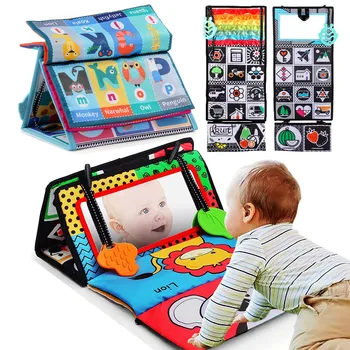
Moreover, sensory toys have become increasingly popular for their calming effects. These toys, often crafted from various textures and materials, can help children manage anxiety and stress, providing a soothing experience that aids in emotional regulation. In addition, STEM toys continue to make waves by promoting cognitive development and encouraging a sense of accomplishment through learning and experimentation.
By choosing toys that align with these trends, parents can play an active role in supporting their child’s mental health and ensuring joyful growth. It’s not just about play; it’s about setting the foundation for a happier, healthier life. For more insights on selecting the perfect toys for your child, explore our full product line [link]. Have any questions or need recommendations? Contact us [link].
Mindful Parenting Tips for Balancing Play and Learning with Toys
In the ever-evolving landscape of parenting, striking the perfect balance between play and learning is crucial. Toys, often perceived as mere instruments of entertainment, can be pivotal in nurturing a child’s emotional and cognitive development. As a mindful parent, understanding how to integrate play into your child’s learning journey can enhance their happiness and well-being.
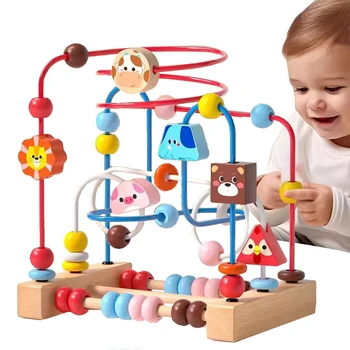
Firstly, it’s essential to select toys that are both fun and educational. Opt for toys that stimulate curiosity and encourage problem-solving, such as building blocks or interactive puzzles. These toys serve a dual purpose: they entertain while simultaneously developing critical thinking skills.
Another key aspect is setting a designated playtime. Establish a routine that allows your child to explore and express themselves freely through play. During this time, be present and engage with your child. Whether it’s joining them in a make-believe adventure or cheering them on as they construct a towering block structure, your involvement enhances their play experience and fosters a deeper bond.
Encourage Self-Directed Play
- Allow children to choose their toys and activities. This autonomy supports their independence and decision-making skills.
- Provide a variety of toys that cater to different interests, ensuring a well-rounded play experience.
Moreover, balancing screen time with traditional play is vital. While digital games can be educational, it’s important to ensure they do not overshadow the tactile and social aspects of play. Encourage outdoor play and social interaction to promote physical health and emotional intelligence.
By incorporating these mindful parenting tips, you not only support your child’s developmental milestones but also create an environment where play becomes a joyful and integral part of learning. Embrace the power of toys as tools for growth and happiness, and watch as your child flourishes in both mind and spirit.
Ready to explore more ways to enhance your child’s learning through play? Discover our wide range of educational toys designed to inspire and delight [link].

0 Comments