
Playtime is much more than a way to keep children entertained—it’s one of the most important ways they learn about the world. From a baby’s first grasp of a colorful toy to a young child’s imaginative adventures, every playful moment helps build essential life skills. The best part? You don’t need expensive gadgets or elaborate activities to create meaningful learning experiences. With the right toys, a little creativity, and quality time together, parents can turn everyday play into opportunities for growth, confidence, and lifelong learning.
Why Play Matters
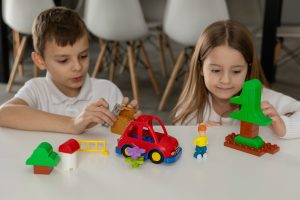
Children learn best through hands-on experiences. During play, they explore, experiment, solve problems, and develop social and emotional skills. Educational toys and activities encourage curiosity while helping children strengthen their fine and gross motor skills, communication abilities, creativity, and critical thinking.
The goal isn’t to schedule every minute of the day but to create simple moments where learning happens naturally through fun.
Sensory Play for Babies

Babies discover the world through their senses. Soft textures, bright colors, gentle sounds, and different shapes all help stimulate brain development during the first year of life.
Simple sensory activities include:
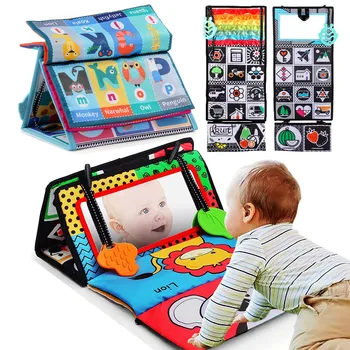
- Playing with soft fabric books or crinkle toys
- Exploring colorful rattles and teething toys
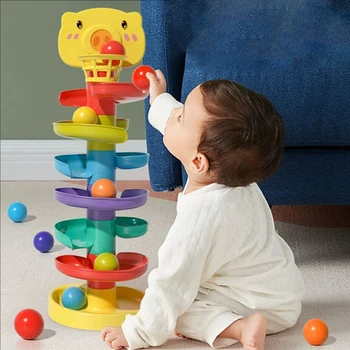
- Rolling soft balls back and forth
- Enjoying tummy time with sensory mats and mirrors
These activities help babies improve hand-eye coordination, strengthen muscles, develop visual tracking, and build early problem-solving skills. Best of all, they encourage bonding between parents and their little ones through smiles, laughter, and interaction.
Building Skills with Blocks
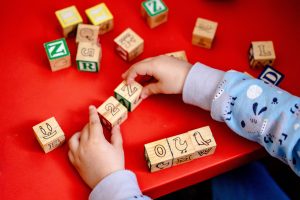
Building blocks are one of the most valuable educational toys for children of all ages. Whether they’re stacking wooden blocks or creating colorful towers, children are learning important developmental skills without even realizing it.
Block play encourages:
- Problem-solving
- Spatial awareness
- Creativity
- Fine motor development
- Patience and persistence
Parents can join the fun by building simple structures together, sorting blocks by color, counting blocks aloud, or creating imaginative cities and castles. As children grow, block play becomes even more advanced, encouraging engineering and early math concepts.
Get Creative with Art Supplies
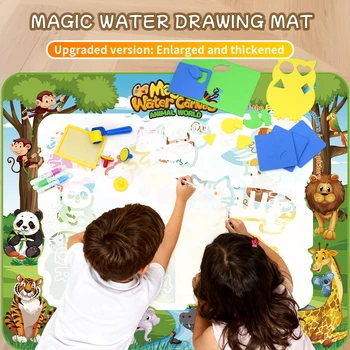
Art allows children to express themselves while developing confidence and creativity. You don’t need to be an artist to enjoy creative time together.
Try activities like:
- Finger painting
- Coloring books
- Washable markers and crayons
- Stickers and collage projects
- Playdough creations
Creative play improves hand strength, coordination, color recognition, and imagination. More importantly, it teaches children that there are many ways to solve problems and express their ideas.
Remember that the process is more important than the finished masterpiece. Encourage creativity without worrying about perfection.
Sensory Games That Spark Curiosity
Sensory bins and hands-on exploration are fantastic ways to keep toddlers engaged while supporting cognitive development.
Create simple sensory experiences using:
- Dry rice or pasta
- Water play
- Sand
- Foam letters and numbers
- Toy animals
- Measuring cups and scoops
Children naturally practice sorting, pouring, counting, comparing, and exploring different textures during sensory play. These activities also build concentration, language development, and early science skills as children ask questions and make discoveries.
Always supervise younger children and choose age-appropriate materials for safe play.
The Magic of Pretend Play

Imagination is one of childhood’s greatest gifts. Pretend play allows children to become doctors, chefs, astronauts, teachers, firefighters, or superheroes—all from the comfort of home.
Dress-up clothes, dolls, play kitchens, toy tools, and stuffed animals create endless storytelling opportunities.
Pretend play helps children:
- Build communication skills
- Develop empathy
- Practice social interactions
- Improve emotional understanding
- Strengthen creativity and confidence
Parents can join in by asking open-ended questions like, “What’s on today’s restaurant menu?” or “Can you tell me about your animal hospital?” These conversations encourage vocabulary growth and imaginative thinking.
Everyday Learning Through Play
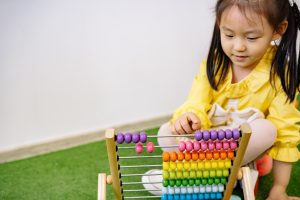
Not every educational activity requires special toys. Many everyday household tasks become valuable learning opportunities when children are invited to participate.
Simple ideas include:
- Sorting laundry by colors
- Counting fruit while grocery shopping
- Matching socks
- Baking together and measuring ingredients
- Gardening and watering plants
- Reading bedtime stories
These everyday moments teach responsibility, math skills, language development, and independence while strengthening family connections.
Finding a Healthy Balance with Screen Time
Technology can certainly have educational value when used thoughtfully, but young children benefit most from active, hands-on experiences. Building, creating, exploring, and pretending engage multiple senses and encourage movement in ways that screens simply can’t replace.
Instead of relying on digital entertainment throughout the day, try creating a balanced routine that includes outdoor play, reading, crafts, educational toys, and family games. Even setting aside 30 to 60 minutes of uninterrupted play each day can make a meaningful difference in your child’s development.
When screens are used, choose high-quality educational content and enjoy it together whenever possible. Asking questions and discussing what children see helps turn passive viewing into an interactive learning experience.
Make Every Moment Count
The greatest educational tool isn’t found in a toy store—it’s the time and attention you share with your child. Whether you’re stacking blocks, reading stories, creating artwork, or pretending to run a bakery together, you’re helping build skills that will last a lifetime.
Remember, children don’t need perfect activities or expensive toys. They simply need opportunities to explore, imagine, create, and learn alongside caring adults. By making play a regular part of everyday life, you’ll nurture curiosity, encourage confidence, and create joyful memories your family will treasure for years to come.
At Little Joys Shop, we believe every toy, game, and creative activity has the potential to inspire learning through play. Explore our collection of educational toys, arts and crafts, sensory products, and imaginative play essentials to help make every day an exciting adventure for your little one.


0 Comments